Cataract Surgery in Karimnagar
Blade free • Micro-Incision • Painless • Fast Recovery
Trusted by thousands — state-of-the-art IOLs, certified operation theatre, cashless insurance support.
A cataract is the clouding of the eye's natural lens that leads to progressive vision loss, glare while driving, difficulty reading, and reduced contrast sensitivity. It commonly occurs with aging, and may be accelerated by diabetes, previous eye injury, certain medications (steroids), or congenital causes.
At Dr. Rakesh Superspeciality Eye Hospital we offer modern, bladeless phacoemulsification with premium intraocular lens options (Monofocal, EDOF, Trifocal) for better visual independence and faster recovery.
Blade free Phaco
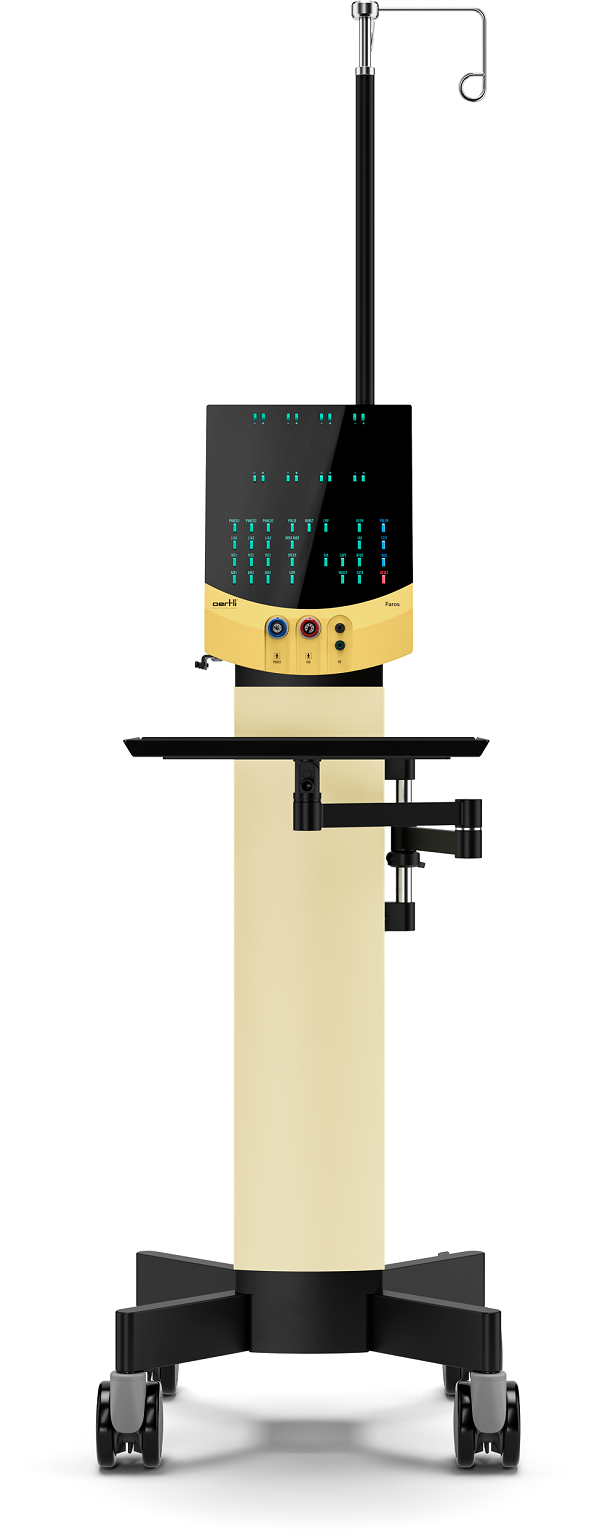
High-precision phaco machines for minimal tissue stress.
Micro-Incision
Small 1.8 mm incisions → quicker healing and less astigmatism.
Quick Procedure
Typical surgery time: 6–10 minutes per eye (outpatient).
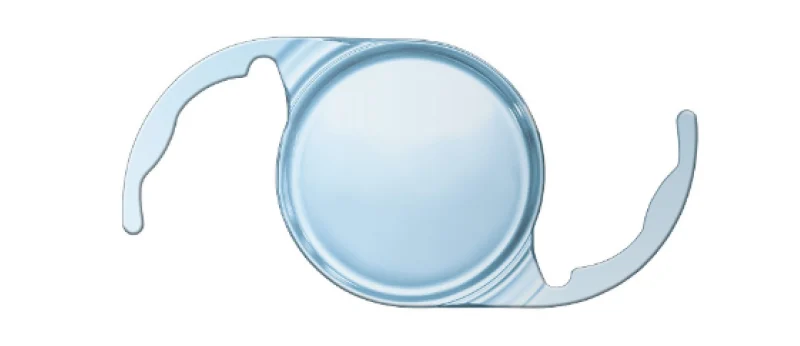
Premium IOLs
Trifocal / EDOF / Multifocal for reduced glasses-dependence.
Insurance & Cashless
Major private insurance & Singareni cashless; state employee reimbursement supported.
Before Surgery — Pre-operative Care
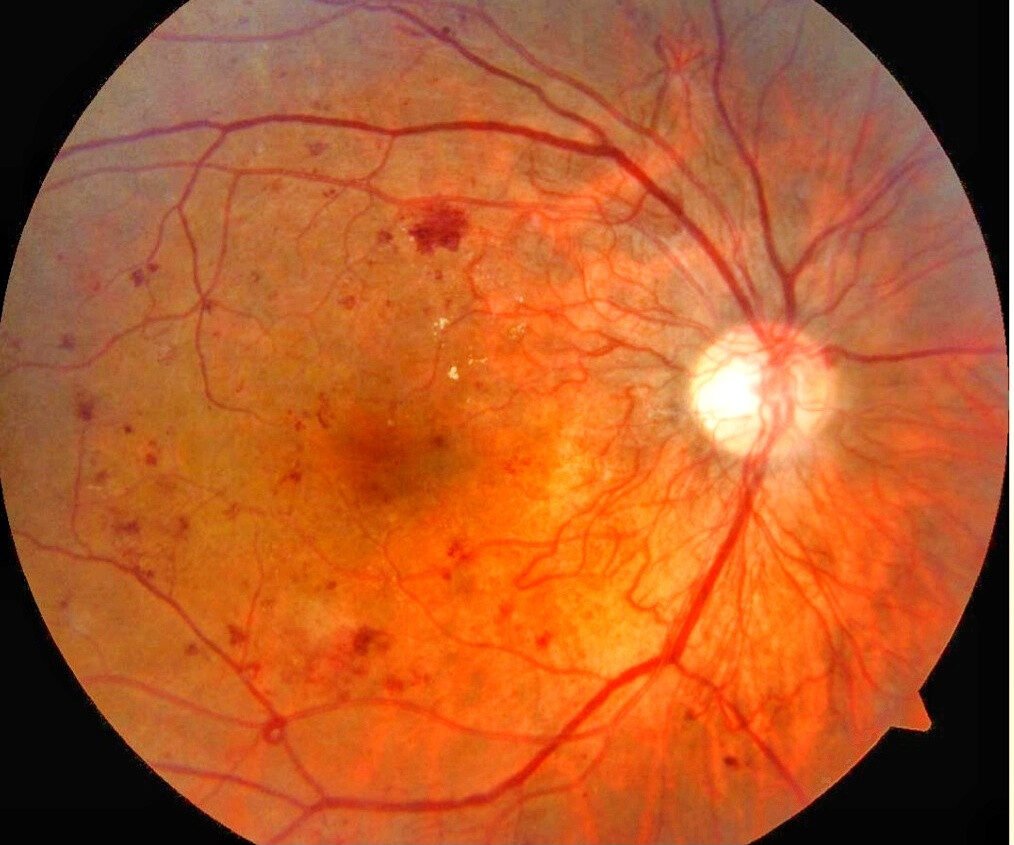
We start with a thorough pre-op assessment: vision testing, ocular surface evaluation, OCT/fundoscopy when needed, biometric IOL calculations, and review of medical history (diabetes, blood pressure, medications).
- Stop blood-thinning medications only if advised by your physician.
- Topical antibiotic or antiseptic drops as prescribed 1–2 days before surgery.
- Arrange transport home — surgery is outpatient and same-day discharge is standard.
During Surgery — What Happens
The operation uses topical anesthesia (eye drops) or minimal local anesthesia — most patients remain comfortable and awake. Key steps:
- Micro-incision creation (typically ~1.8 mm).
- Phacoemulsification to emulsify and remove the cloudy lens core.
- Insertion of intraocular lens (IOL) — Monofocal, EDOF, Toric, Multifocal or Trifocal depending on chosen option.
- Wound closure: self-sealing micro-incision — usually no stitches required.
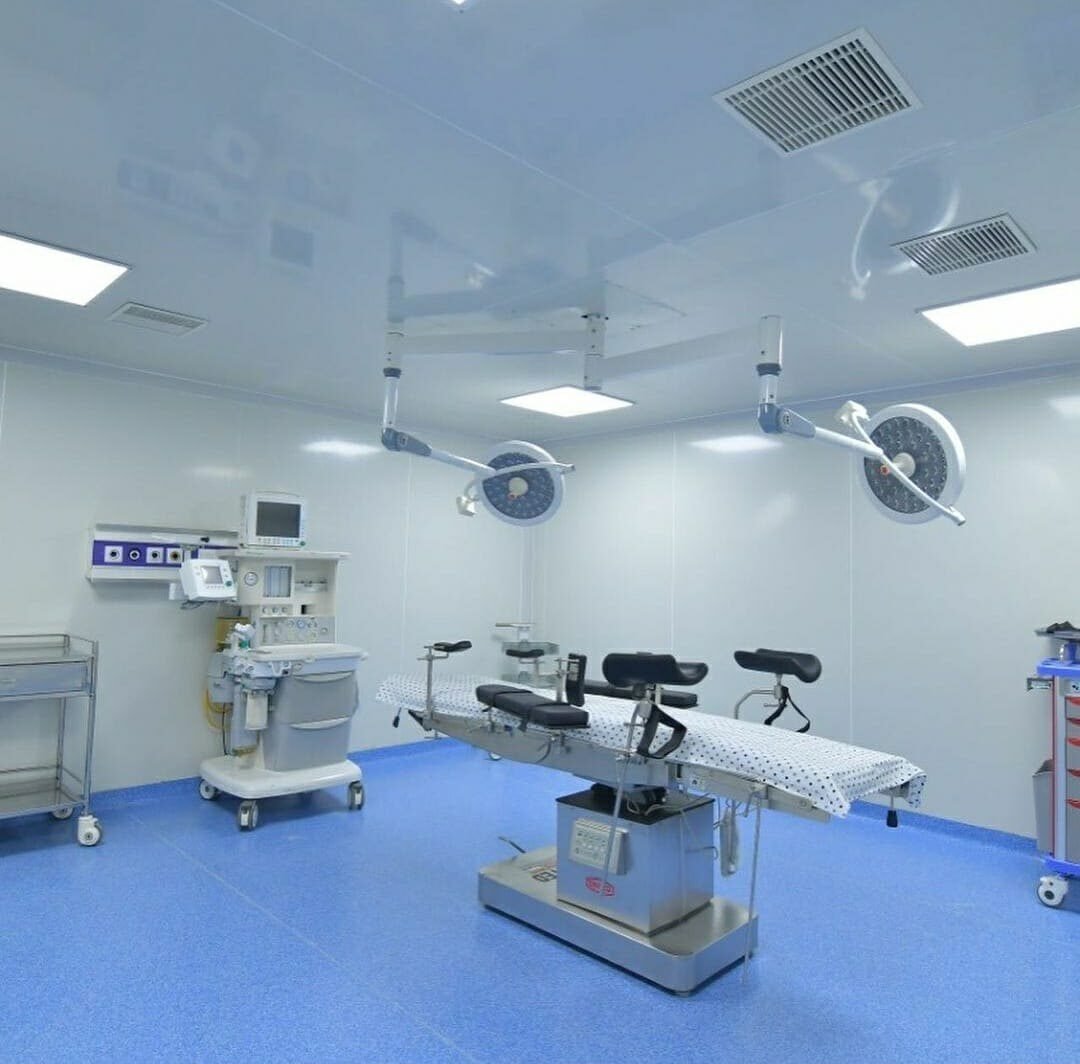
Operation typically takes 6–10 minutes per eye. We follow strict sterile protocols in our modular OT.
Aftercare & Recovery
Immediate post-op: brief observation (30–60 minutes) and discharge with post-op drops (antibiotic + steroid/NSAID) for ~2–4 weeks.
Day 1: Vision often improved; avoid rubbing eyes, follow drop schedule.
Week 2: Follow-up check — IOP, wound healing, vision assessment.
Week 4: Final refraction and spectacle prescription if needed. Many patients return to normal activities within days.
Expected Outcomes & Risks
Modern phaco with premium IOLs offers excellent visual outcomes — many patients achieve spectacle-reduced vision for distance and often intermediate/near (depending on IOL choice).
Risks are rare but can include infection (endophthalmitis), posterior capsular rupture, retinal detachment, or cystoid macular edema. We minimize risk with strict OS and high-grade sterilization; complications are treatable when detected early.
Monofocal & EDOF
Sharp distance vision; EDOF extends useful intermediate range for screens and driving.
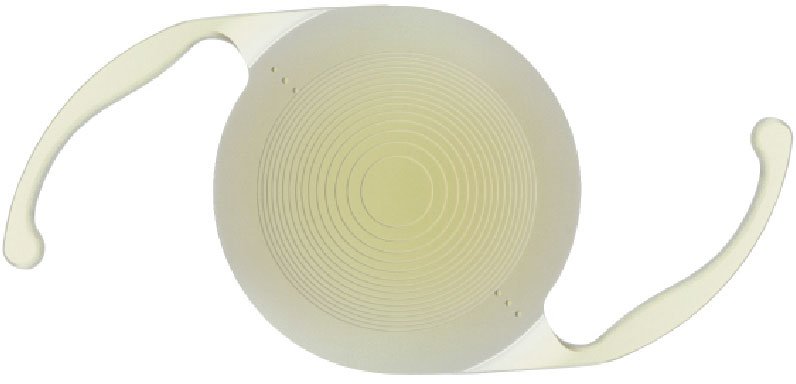
Multifocal & Trifocal
Designed to reduce dependence on reading glasses across near, intermediate and distance.
| Feature | Monofocal | Multifocal | EDOF | Trifocal |
|---|---|---|---|---|
| Distance | ✔ | ✔ | ✔ | ✔ |
| Near | ✖ | ✔ | Limited | ✔ |
| Intermediate | ✖ | ✖ | ✔ | ✔ |
| Glasses independence | Low | Partial | High | Max |
| Best for | Basic vision | Reading + Distance | Active lifestyle | Complete freedom |
1. Is surgery painful?
No — it’s performed under topical anesthesia (drops) and most people feel only mild pressure. Sedation is available on request.
2. How long does it take?
6–10 minutes per eye in the OR; total visit ~2–3 hours including prep and recovery.
3. When will I see clearly?
Many notice improved vision within 24–48 hours; vision stabilizes over 2–6 weeks.
4. Is it safe for diabetics?
Yes — with proper blood sugar control and retinal assessment before surgery to ensure no active retinal disease.
5. Are complications common?
No — major complications are rare. Our modular OT and strict sterilization reduce risks; early detection and prompt treatment are available if needed.
6. How much does it cost?
Our basic package starts from 10,000 INR; premium packages (with advanced IOLs) vary — contact the clinic for a personalized estimate and insurance details.
7. Can both eyes be operated the same day?
Usually we operate one eye at a time for safety and to assess visual outcome; simultaneous bilateral surgery is considered in specific cases and discussed individually.
8. What are premium IOLs and do I need one?
Premium IOLs (EDOF, multifocal, trifocal) reduce dependence on glasses. Choice depends on lifestyle, ocular health, and budget — our surgeon will advise the best option.
9. How long do IOLs last?
IOLs are permanent and designed to last a lifetime; they do not wear out like glasses or contact lenses.
10. Are results guaranteed?
No doctor can guarantee exact visual outcomes, but modern techniques and accurate biometry give predictable, high-quality results. We discuss realistic expectations before surgery.
11. Is cataract surgery covered by insurance?
Yes — many private insurers and Singareni offer cashless coverage. State government employees often receive reimbursement. Contact our team to verify your policy.
12. What pre-operative tests are performed?
Standard tests include visual acuity, IOP check, slit-lamp exam, OCT/fundus exam if needed, keratometry, biometry (IOL Master/OLCR) for accurate lens power selection and Surgical profile blood tests including BP & Diabetes Screening. .
13. Do I need to stop my regular medicines before surgery?
Most medicines can be continued, but blood thinners or certain systemic drugs may need review. We coordinate with your physician and give clear pre-op instructions.
14. How should I prepare on the day of surgery?
Arrive with a companion, fast for the period advised (if any), wear comfortable clothes, avoid makeup/creams, and bring a list of medications and IDs. Our team will guide you during admission.
15. What is the post-operative follow-up schedule?
Typical follow-ups: Day 1 (basic check), Week 2 (wound & vision check), and Week 4 (final refraction). Additional visits are scheduled as needed.
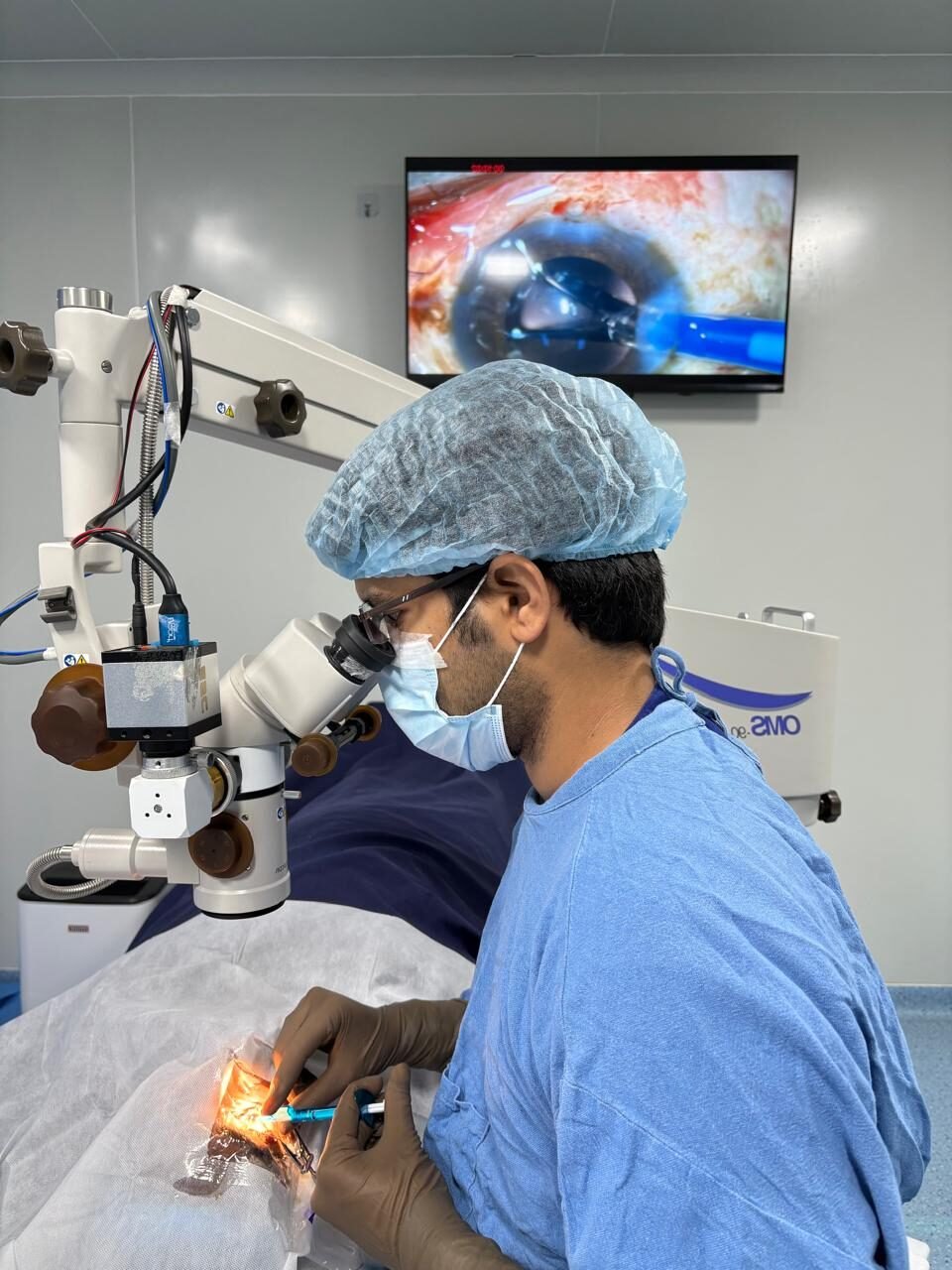
Dr. Rakesh Reddy Panyala
Eye Surgeon
Dr. Rakesh Reddy is the first AIIMS Delhi-trained eye specialist in Karimnagar, bringing world-class expertise in cataract, retina, glaucoma, pediatric ophthalmology, and refractive eye care to the region. He completed his fellowship at LV Prasad Eye Institute (LVPEI), Hyderabad, and holds prestigious international qualifications including FICO (Glasgow), MRCS(Edinburgh), and FRCS (Edinburgh).
With over 10+ years of clinical and surgical experience, Dr. Rakesh Reddy combines advanced surgical skills with compassionate, patient-focused care. His goal is to ensure every patient receives the highest standard of eye care with modern technology.
 AIIMS Delhi-Trained Eye Surgeon Specialist in Cataract, Retina & Pediatric Eye Care International Fellowship Training – LVPEI, FICO, FRCS Trusted by Thousands of Patients in Karimnagar & Telangana
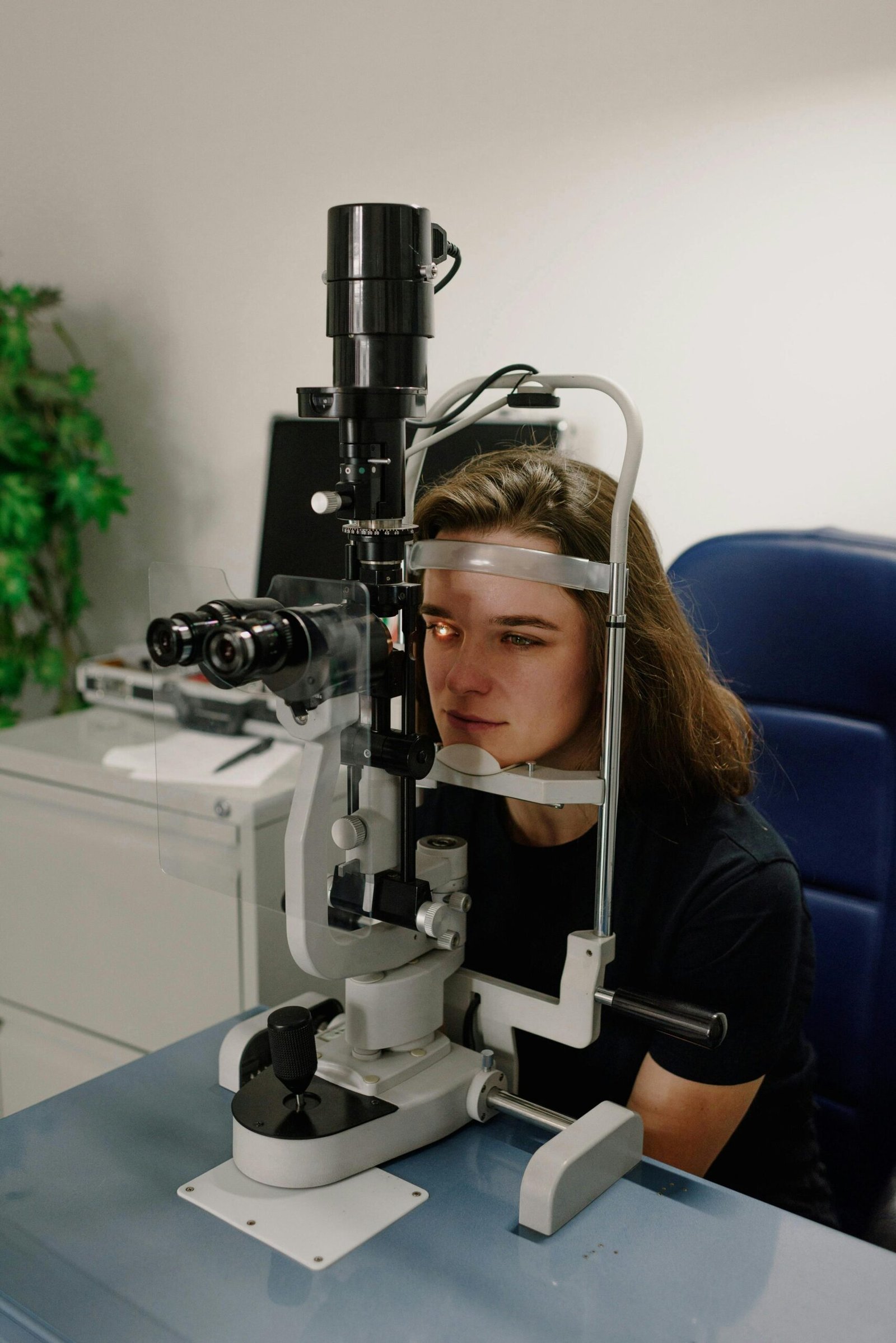



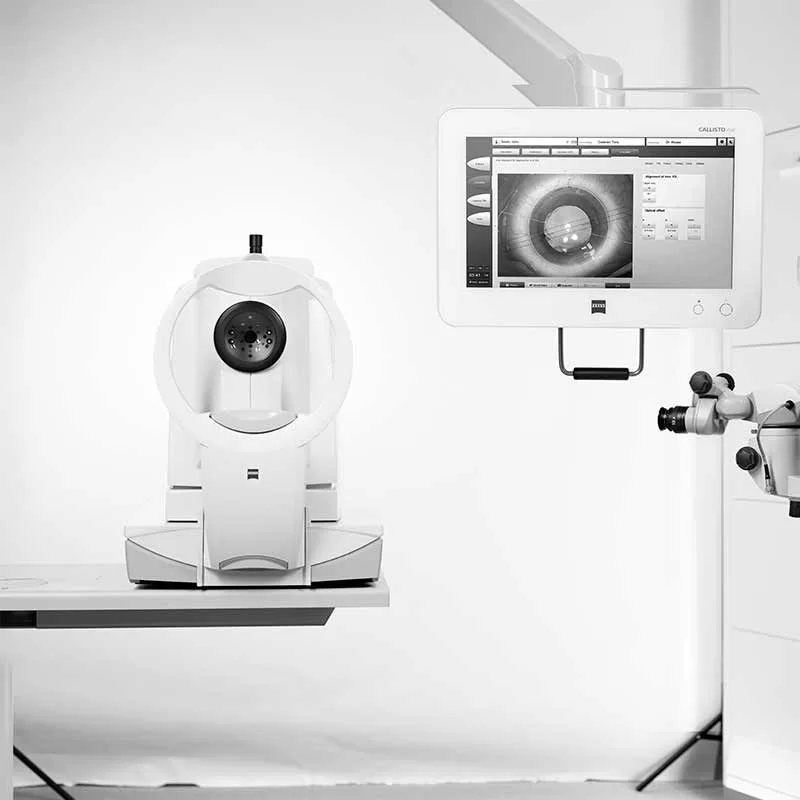
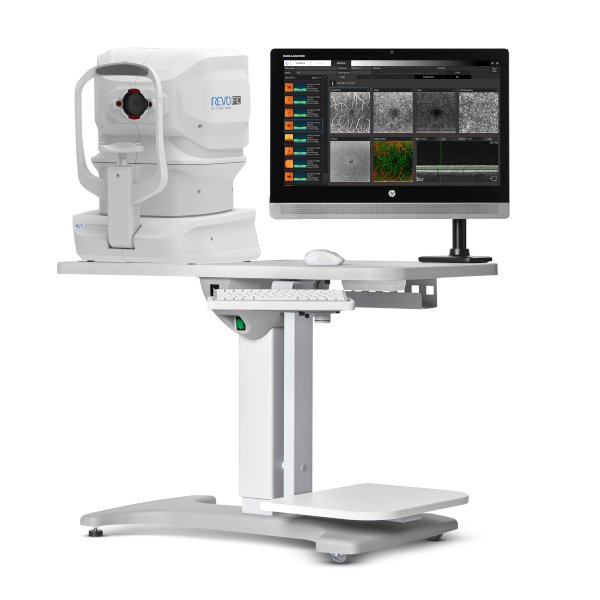
 “Advanced Eye Care Technology at Our Eye Hospital in Karimnagar”