Lazy eye, medically known as amblyopia, is a common childhood vision problem in which one eye develops weaker vision than the other. Many parents in Karimnagar are unaware of this condition because the affected child may not complain of blurred vision. If untreated during early childhood, amblyopia can lead to permanent reduction in vision.
At Dr Rakesh Superspeciality Eye Hospital, Karimnagar, early screening and structured treatment programs help improve visual development and prevent lifelong vision impairment. Timely diagnosis is the most important factor for successful treatment
What Is Lazy Eye (Amblyopia)?
Amblyopia occurs when the brain starts ignoring signals from one eye due to poor visual input during early childhood. Over time, the weaker eye fails to develop normal vision even though the eye structure may appear normal.
This condition usually develops before the age of 7 years.
Early treatment significantly improves outcomes.
Causes of Lazy Eye
Lazy eye develops when normal visual stimulation does not occur during early childhood.
Common causes include:
1️⃣ Squint (Strabismus)
Misalignment of the eyes causes the brain to suppress input from one eye.
2️⃣ Refractive Errors
Large difference in spectacle power between both eyes can lead to amblyopia.
3️⃣ Cataract in Childhood
Congenital cataract blocks vision development.
4️⃣ Drooping Eyelid (Ptosis)
Obstruction of the visual axis may cause lazy eye.
Early identification of these causes is essential for treatment success.
Symptoms of Lazy Eye in Children
Parents should watch for:
- Poor vision in one eye
- Squinting or closing one eye
- Head tilt while focusing
- Difficulty judging distance
- Poor academic performance
- Eyes not moving together
- Complaints of blurred vision
Sometimes amblyopia has no obvious symptoms, making screening very important.
Why Early Treatment Is Important
The brain develops visual pathways during early childhood. If lazy eye is not treated before the age of 7–8 years, vision improvement becomes difficult later.
Untreated amblyopia can lead to:
- Permanent vision reduction
- Poor depth perception
- Difficulty in sports and academics
- Reduced career opportunities later in life
Early intervention gives excellent results.
Diagnosis at Our Eye Hospital
At Dr Rakesh Superspeciality Eye Hospital, Karimnagar, evaluation includes:
- Visual acuity testing
- Cycloplegic refraction
- Eye alignment assessment
- Binocular vision testing
- Fundus examination
These tests help determine the severity and cause of amblyopia.
Treatment Options for Lazy Eye
Treatment depends on the underlying cause and child’s age.
✔ Spectacles
Correcting refractive errors improves visual clarity and supports normal development.
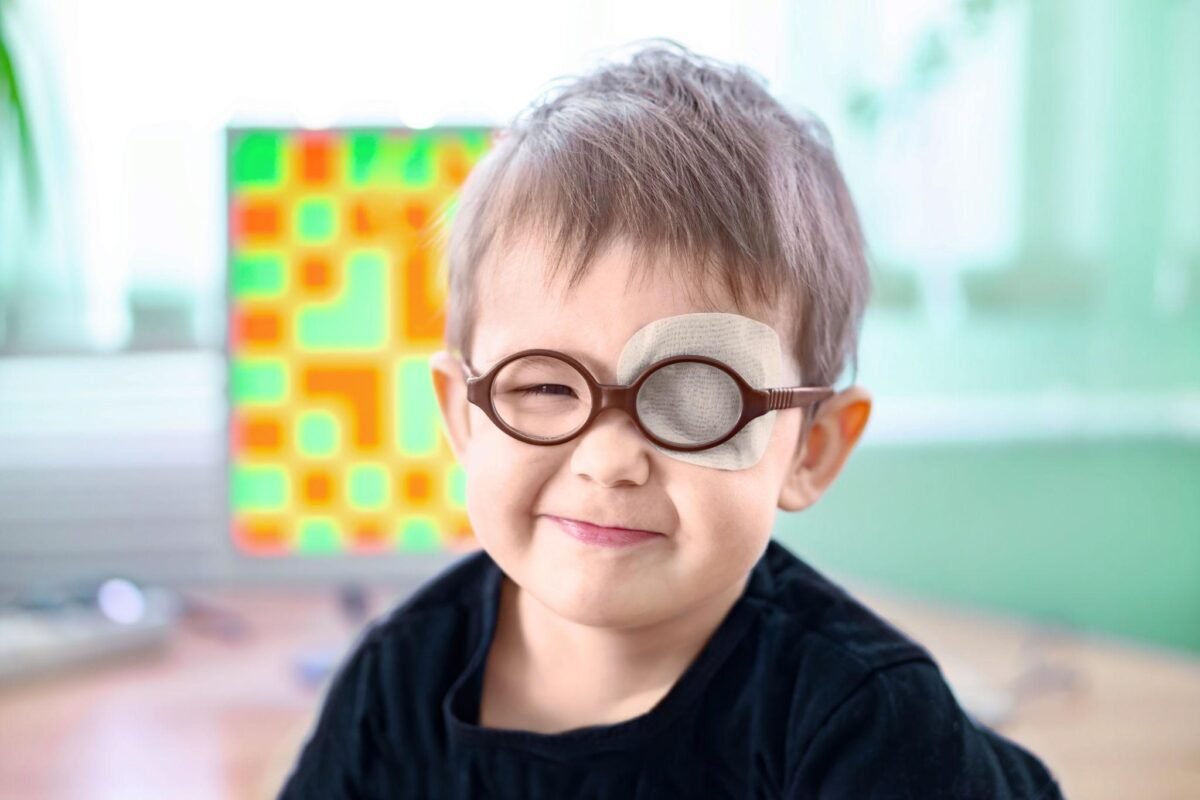
✔ Patching Therapy
The stronger eye is covered using an eye patch to stimulate the weaker eye.
✔ Atropine Eye Drops
Sometimes used as an alternative to patching therapy.
✔ Squint Correction
If squint is present, additional treatment may be required.
✔ Cataract Surgery (If Present)
Necessary in selected cases affecting vision development.
Consistency in treatment gives the best results.
Can Lazy Eye Be Treated in Adults?
Treatment is most effective during childhood. However, some improvement may still be possible in older children and adults with supervised therapy.
Early screening remains the best approach.
When Should Parents Seek Eye Examination?
Consult an eye specialist if:
- Child fails school vision screening
- Squint is noticed
- Child sits very close to television
- One eye appears weaker
- There is family history of lazy eye
Routine pediatric eye screening helps detect amblyopia early.
Conclusion
Lazy eye is one of the most common causes of preventable vision loss in children. Early diagnosis and proper treatment can restore normal vision in many cases.
At Dr Rakesh Superspeciality Eye Hospital, Karimnagar, we provide comprehensive pediatric eye care and customized amblyopia treatment plans to support healthy visual development.
Schedule your child’s eye examination today for early detection and better outcomes.
Treatment is most effective before 7 years of age because the brain’s visual development is still active.
In some cases yes, but many children require patching therapy along with spectacles.
Duration varies depending on severity but usually continues for several months under supervision.
Yes, untreated amblyopia can lead to lifelong vision reduction.
Some improvement is possible, but treatment is most successful in childhood.
Book Your Appointment at Dr. Rakesh Eye Hospital in Karimnagar
Don’t compromise on your vision. Choose Dr. Rakesh Superspeciality Eye Hospital, trusted by thousands of patients across Telangana. Schedule your consultation today.